What changed? Smartphones now scan QR codes natively. No app required. Just point, tap, and go.
But ubiquity doesn't equal effectiveness. Most QR campaigns still fail—not because the technology is broken, but because the strategy is missing.
Why Most QR Campaigns Fail
Let's get the mistakes out of the way:
No clear call-to-action. A QR code with no context is just a weird square. Tell people what happens when they scan. "Scan for 20% off" works. "Scan here" doesn't.
Broken or slow landing pages. If your QR code leads to a desktop-optimized site that takes 6 seconds to load, you've lost the user. Mobile-first design isn't optional.
No tracking or analytics. You printed 10,000 QR codes. How many got scanned? Where? When? If you don't know, you can't optimize.
Generic, one-size-fits-all codes. Every location, every campaign, every channel gets the same QR code. Result? You have no idea what's working.
No incentive to scan. Why should someone pull out their phone? Give them a reason: a discount, exclusive content, a chance to win, or valuable information they can't get elsewhere.
What Good QR Marketing Looks Like
Effective QR campaigns follow a simple framework: Context → Action → Value → Tracking.
1. Context: Where and Why
Place QR codes where people have time and motivation to scan:
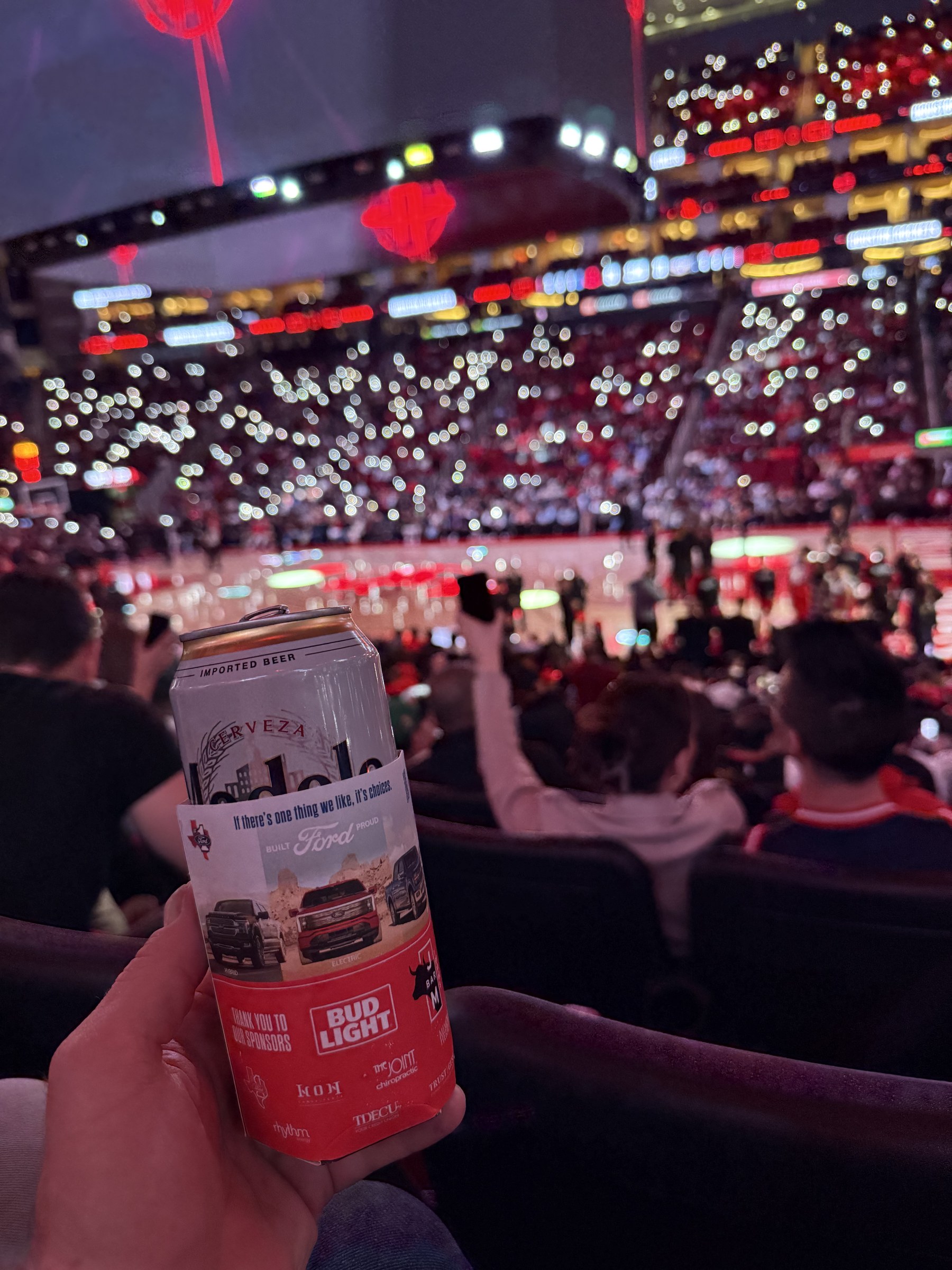
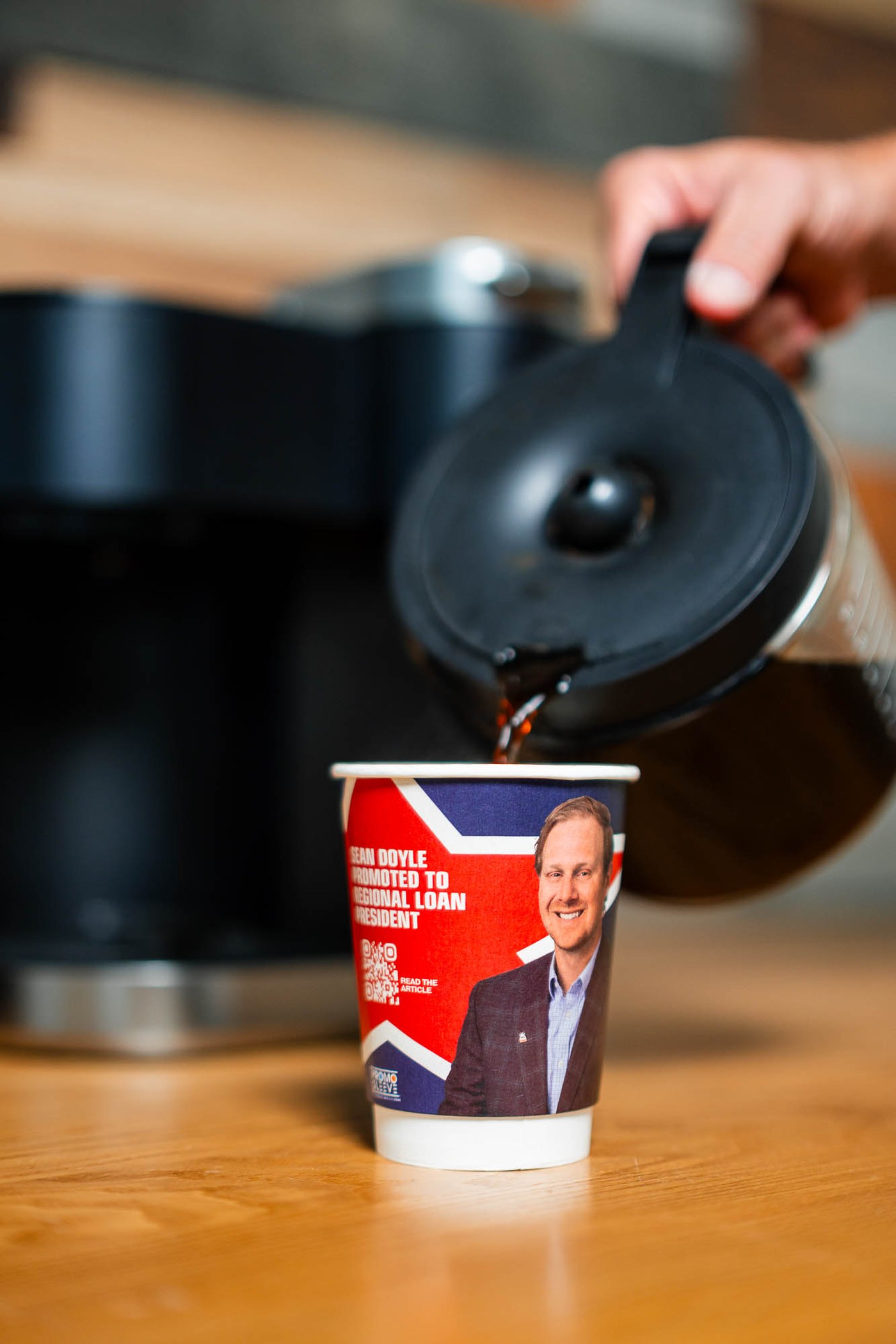
- On coffee cups and drink sleeves — people are already holding the item, often waiting in line or sitting down
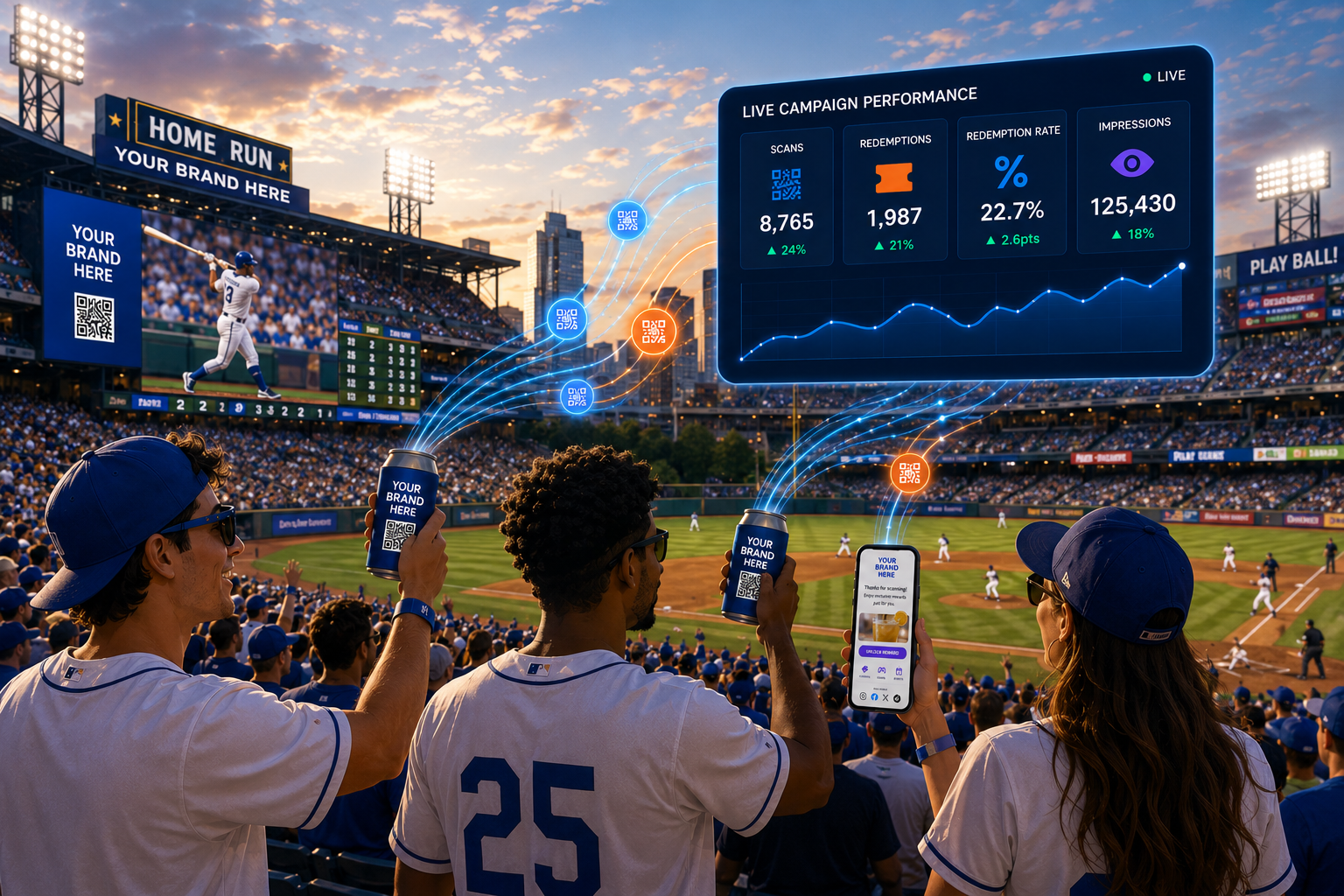
- At events — concerts, festivals, and conferences are high-engagement environments
- On receipts — post-purchase is a great time to drive repeat visits or reviews
- In-store displays — product info, reviews, or how-to videos at the point of decision
Avoid placing QR codes:
- On moving vehicles (no one's scanning a bus)
- On small print where the code is too tiny to scan reliably
- In places with poor lighting or obstructed views
2. Action: Make the CTA Crystal Clear
Don't just say "Scan here." Tell people what they're getting:
- "Scan for 20% off your next order"
- "Watch the story behind this coffee"
- "Enter to win a free year of [product]"
- "See the full menu and order ahead"
The clearer the value, the higher the scan rate.
3. Value: Deliver on the Promise
Once someone scans, the experience needs to be:
- Fast — landing page loads in under 2 seconds
- Mobile-optimized — big buttons, minimal scrolling, no tiny text
- Frictionless — no login required, no forms unless absolutely necessary
- Valuable — deliver exactly what you promised in the CTA
If you promised a discount, show the code immediately. If you promised a video, auto-play it. Don't make users hunt.
4. Tracking: Measure Everything
Every QR code should be unique and trackable. At minimum, log:
- Scan count — how many people engaged
- Scan location — which physical location or campaign drove the scan
- Scan time — when are people most engaged
- Conversion rate — did the scan lead to a sale, signup, or other goal
Use dynamic QR codes (not static images) so you can update the destination URL without reprinting. This also enables A/B testing: send half your audience to one landing page, half to another, and see which converts better.
QR Campaigns That Crushed It
Want QR campaigns like this for your brand? Contact us →
Case Study 1: Coffee Chain Loyalty Program
A regional coffee chain printed unique QR codes on every cup sleeve. Scanning enrolled customers in a loyalty program and gave them a free pastry on their next visit.
Results:
- 38% scan rate — nearly 4 in 10 customers engaged
- 12,000 new loyalty signups in the first month
- 23% repeat visit rate within 30 days
Key insight: The incentive (free pastry) was immediate and valuable. No hoops to jump through.
Case Study 2: Music Festival Sponsorship
A beverage brand sponsored a 3-day festival and printed QR codes on 50,000 drink sleeves. Scanning entered attendees into a contest to win VIP tickets to next year's event.
Results:
- 31,000 scans across the weekend
- 18,000 email signups for future marketing
- 4,200 social shares of the contest page
Key insight: The prize was relevant to the audience, and the landing page made sharing easy.
Case Study 3: Multi-Location Restaurant Promotion
A restaurant group with 15 locations ran a limited-time promotion: scan the QR code on your receipt to get 15% off your next visit. Each location had a unique code.
Results:
- 22% scan rate across all locations
- $47,000 in attributed revenue from return visits
- Identified top 3 performing locations, which got increased marketing budget
Key insight: Location-specific codes revealed which branches had the most engaged customers—and which needed more support.
The PromoSleeve QR Advantage
PromoSleeve automates the entire QR workflow:
- Unique codes for every location and campaign — so you always know what's working
- Real-time analytics dashboards — track scans, conversions, and ROI as they happen
- Dynamic QR codes — update destinations without reprinting
- Seamless print integration — QR codes are embedded directly into your cup and sleeve designs
No setup required. No technical headaches. Just smart, trackable, high-performing QR campaigns.
Frequently Asked Questions
Q: What makes a QR code marketing campaign successful?
A: A clear call-to-action, a fast mobile-optimized landing page, a genuine incentive to scan, and unique trackable codes for every location or campaign.
Q: Should I use static or dynamic QR codes?
A: Dynamic QR codes are strongly recommended — they let you update the destination URL without reprinting and support A/B testing.
Q: Where should I place QR codes for the best scan rates?
A: On items people are already holding with time to engage — coffee cups, drink sleeves, receipts, and event materials — rather than moving vehicles or tiny print.
Ready to launch QR campaigns that actually work? Contact PromoSleeve to see how we help brands turn scans into sales.